
2026年04月25日(土) - 2026年09月27日(日)
Maruyama Ōkyo (1733–1795), best known for his charming paintings of puppies, was a great artist who fostered many disciples and laid the groundwork for what we recognize today as "Nihonga" (Japanese painting).
This exhibition will feature works by Maruyama Ōkyo and his direct disciples such as Nagasawa Rosetsu, along with an unprecedented 40 newly discovered works by Ōkyo's grand-disciple, Yano Yachō.
This is a must-see exhibition for Edo painting enthusiasts. The exhibition is organized into three periods.

During the Edo Period (to 1868), art flourished in Kyoto. While Itō Jakuchū (1716–1800) is well known, many other excellent painters also left their mark.
Another innovator, Maruyama Ōkyo (1733–1795) was born nearby in what is now Kameoka City. During his twenties, learning how to incorporate Western perspectives, he mastered megane-e, that is optical pictures, which have a 3D look when seen through a convex lens viewing device. Under Kanō school painter Ishida Yūtei (1721–1786), he studied the fundamentals of the dominant Japanese
painting style. Later, Ōkyo settled into a painting method that depended on shasei (sketching from life). The naturalism he introduced shook up a painting world that had changed little during two hundred years. Many artists came to study under him, and they continued to explore a style called, at the time, New Japanese Painting.
This exhibition features Maruyama Ōkyo's Tiger and his Tao Yuanming screen painting. You can also follow how New Japanese Painting was further developed by Ōkyo's disciples, Genki (1747–1797) and Nagasawa Rosetsu (1756–1799). Furthermore, you will have a special chance to see, subject to rotation, about 40 newly discovered works by Yano Yachō (1782–1829), who learned his craft under Ōkyo disciple Yamaguchi Soken (1759–1818).
From various perspectives, the selected artists expressed the world about them: we hope you will enjoy exploring life in this world.
| Title | Go, go go! Team Ōkyo - Maruyama Ōkyo and the Artists He Mentored |
|---|---|
| Dates | April 25 (Sat.) 2026 – September 27 (Sun.) 1st period: April 25 (Sat.) – June 15 (Mon.) 2nd period: June 17 (Wed.) – August 3 (Mon.) 3rd period: August 5 (Wed.) – September 27 (Sun.) *Every Tuesday and Sunday will be “Feel Free to Talk” days |
| Closed | May 12(Tue.), June 16(Tue.), July 7(Tue.), August 4(Tue.) |
| Opening Hours | 10:00 – 17:00 (last entry 16:30) |
| Admission Fee | General / University student: 1,000 (900)yen High School Stutdent (age 16-18): 600 (500)yen Elementary / Junior high school student (age 7-15): 400 (350)yen Disabled person and up to one helper: 600 (500)yen *Prices in parentheses are for groups of 20 or more *Free admission applied for children under 13 during August Combined Ticket with Fukuda Art Museum: 2,300yen for adult *Combo ticket can be only purchased at the reception on the day of your visit. |
| Organizer | Saga Arashiyama Museum of Arts & Culture |
| Supported by | Kyoto prefecture, Kyoto City, Kyoto City Board of Education, Kyoto Chamber of Commerce and Industry |
| Related documents | List of Works Flyer |

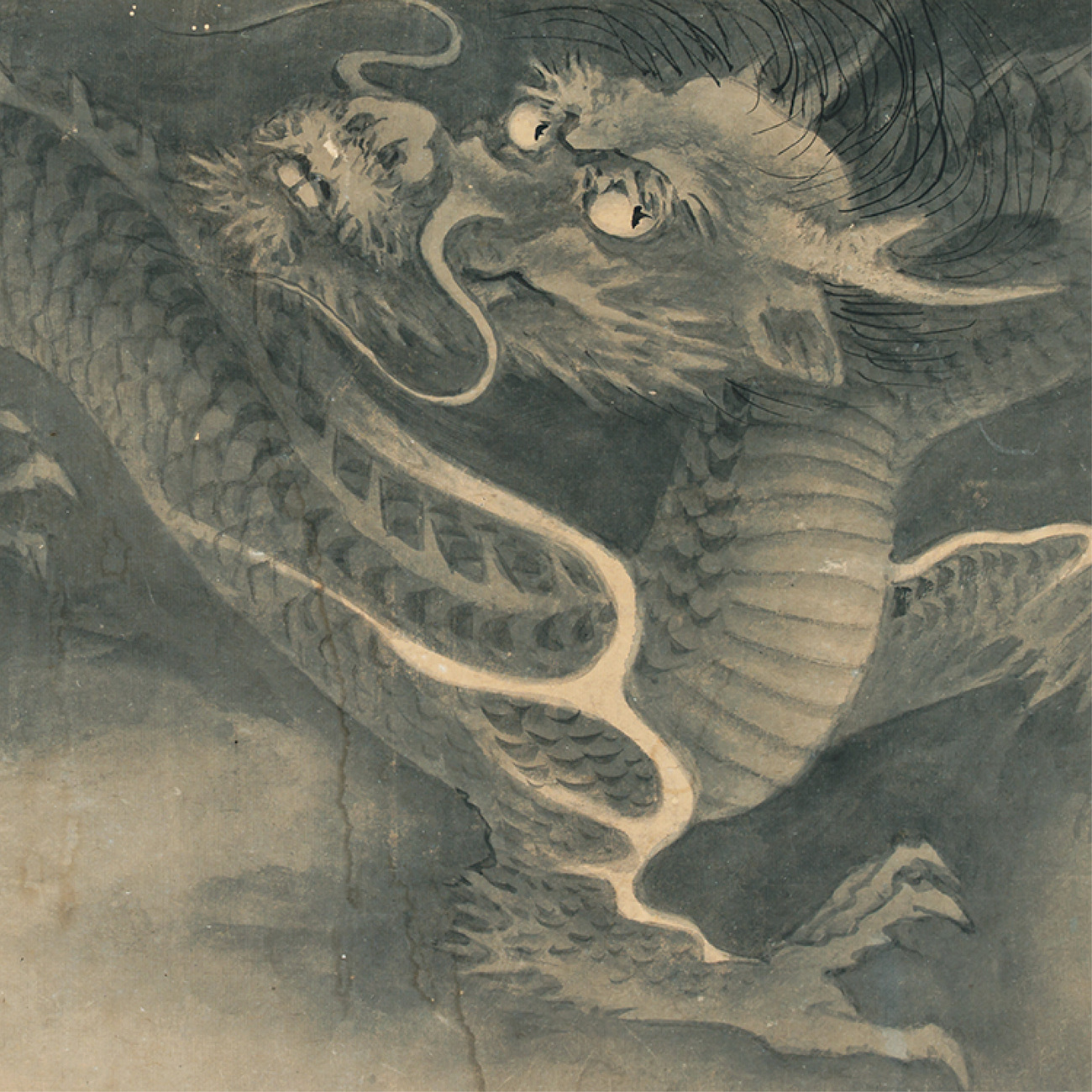
Dragon (detail) by Maruyama Ōkyo
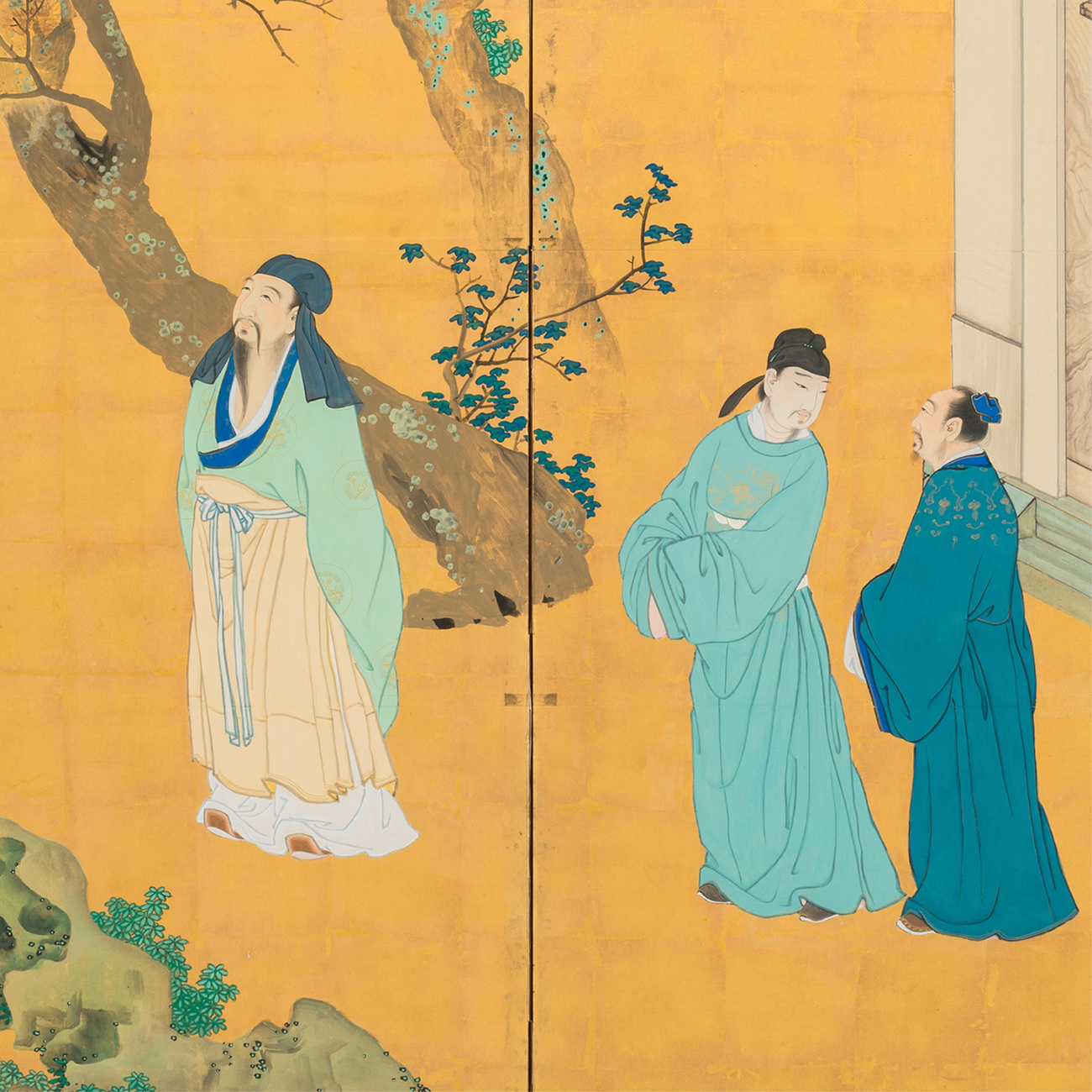
Tao Yuanming Screen (detail) by Maruyama Ōkyo
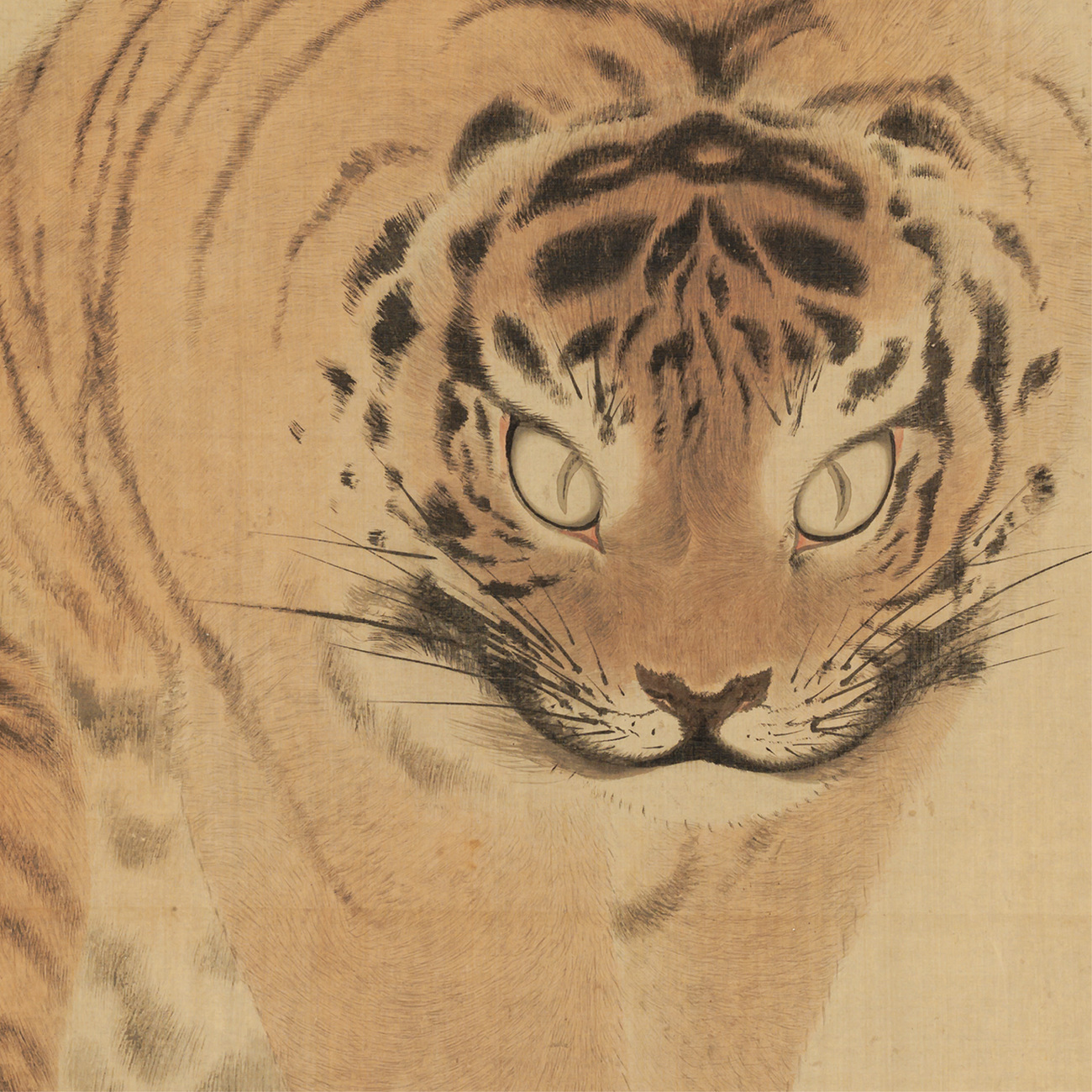
Tiger (detail) by Maruyama Ōkyo

Cat and Dogs (detail) by Nagasawa Rosetsu
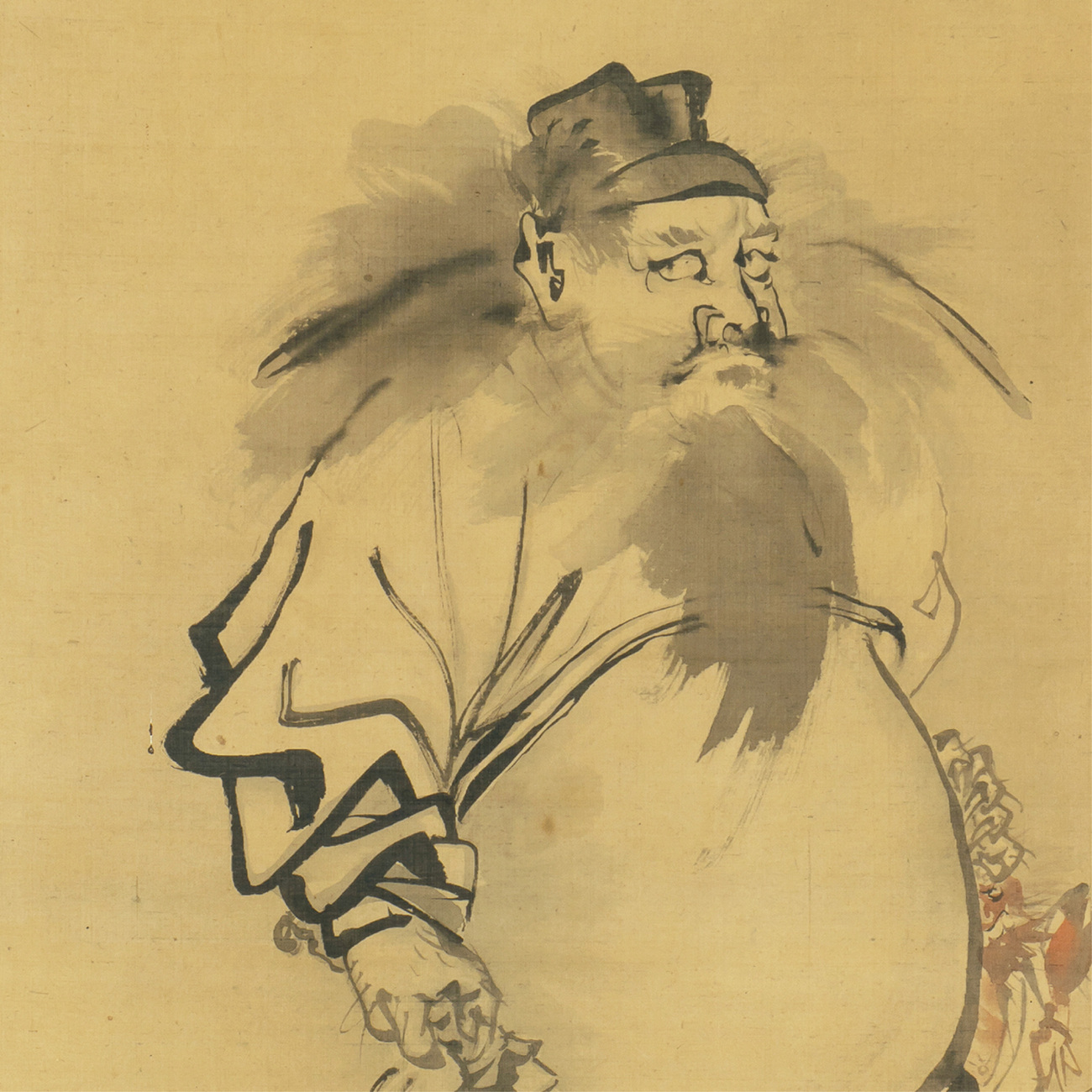
Shoki, the Demon Queller (detail) by Yano Yachō
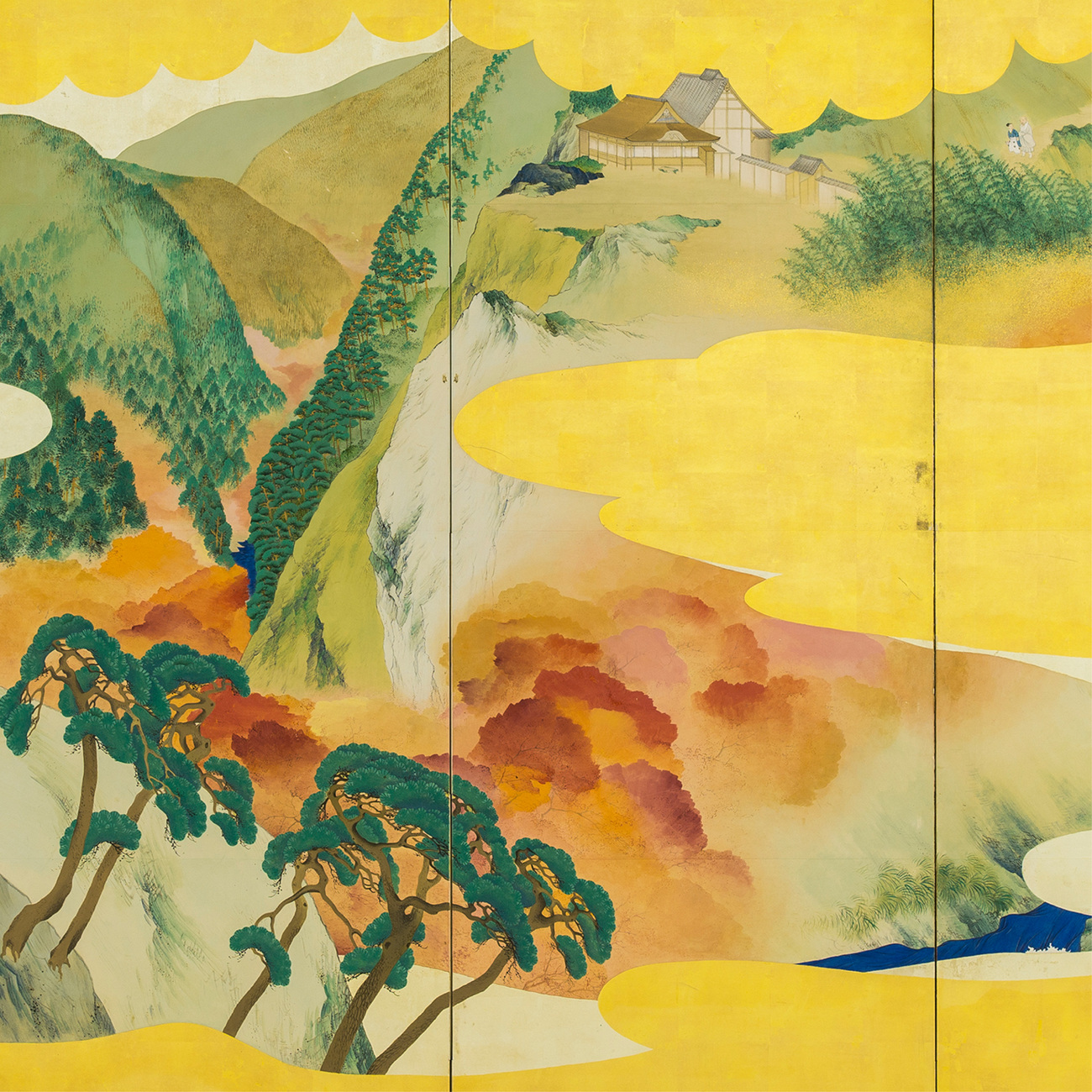
Autumn inTakao and Spring in Arashiyama (right screen) by Yano Yachō
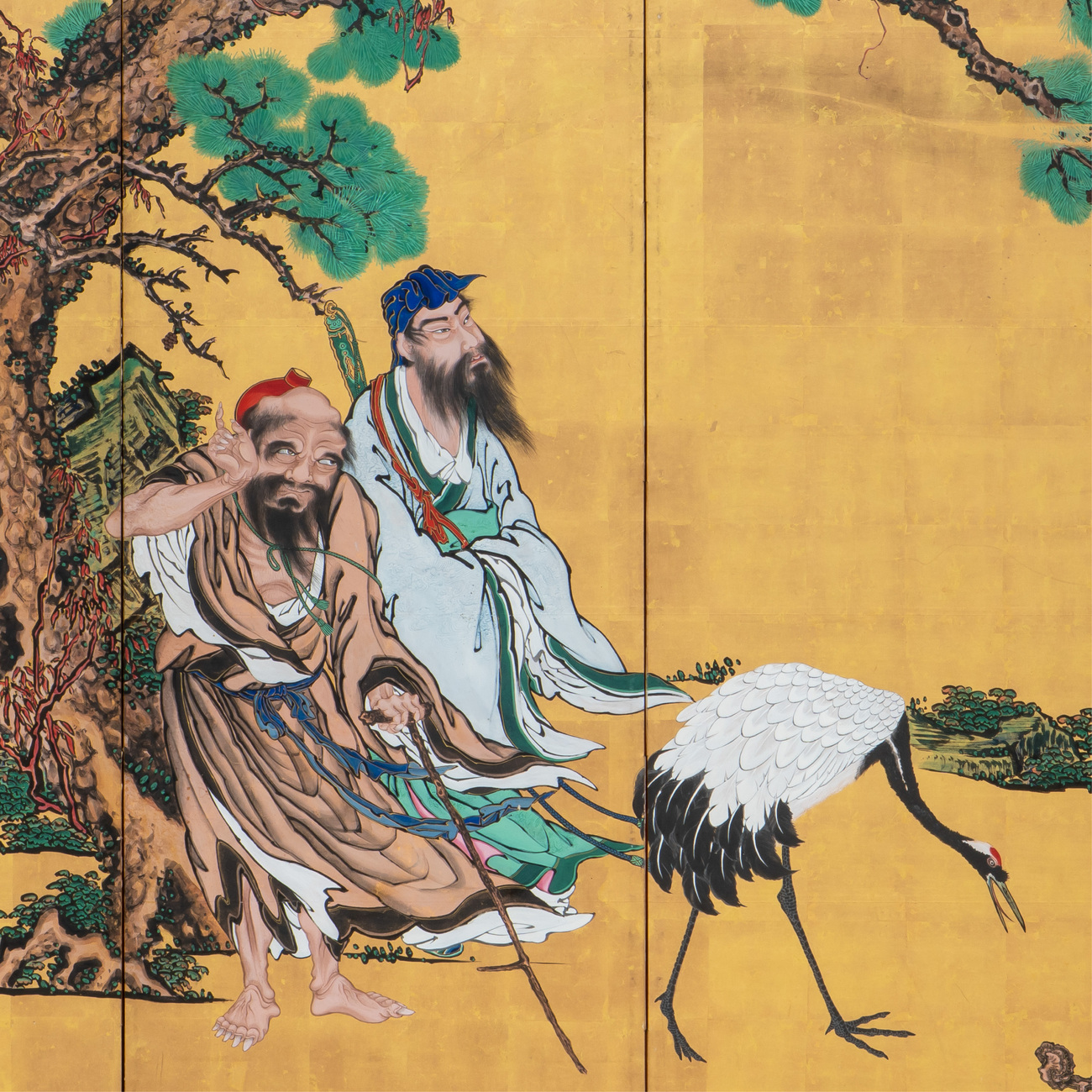
The Immortals (left screen) by Ganku (Private Collection)
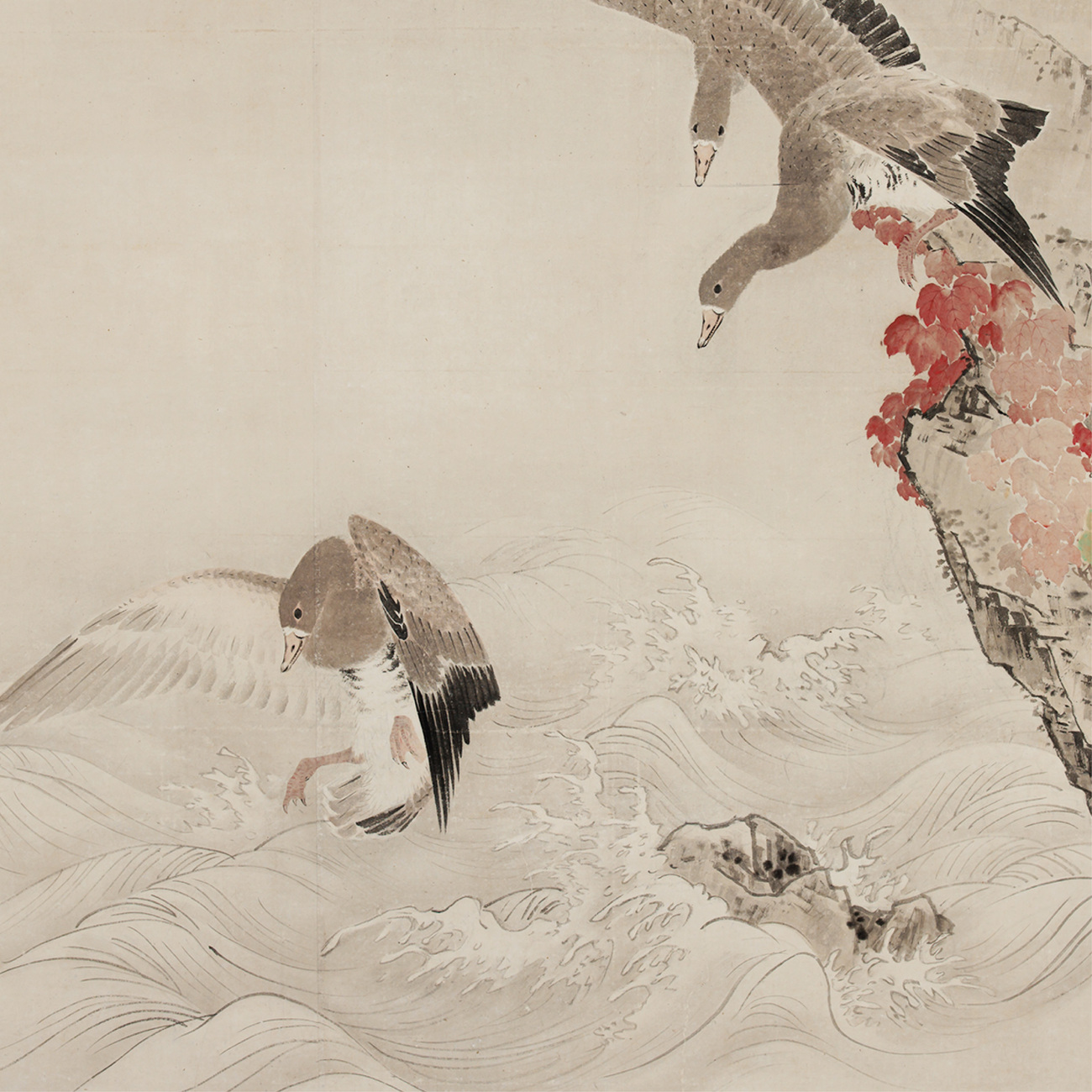
Flying Geese and Rocky Cliff (detail) by Maruyama Ōkyo
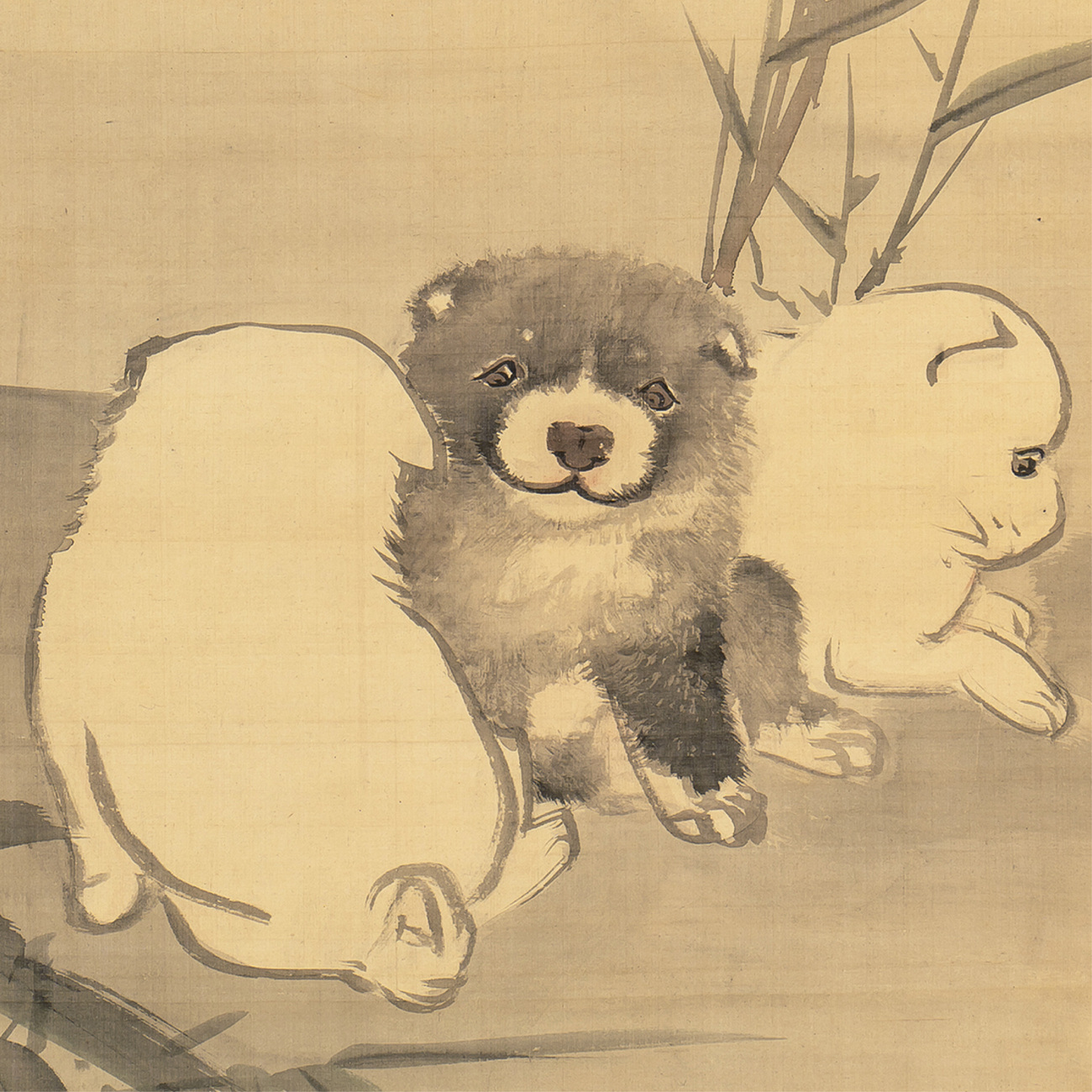
Puppies with Bamboo (left scroll, details) by Maruyama Ōkyo


